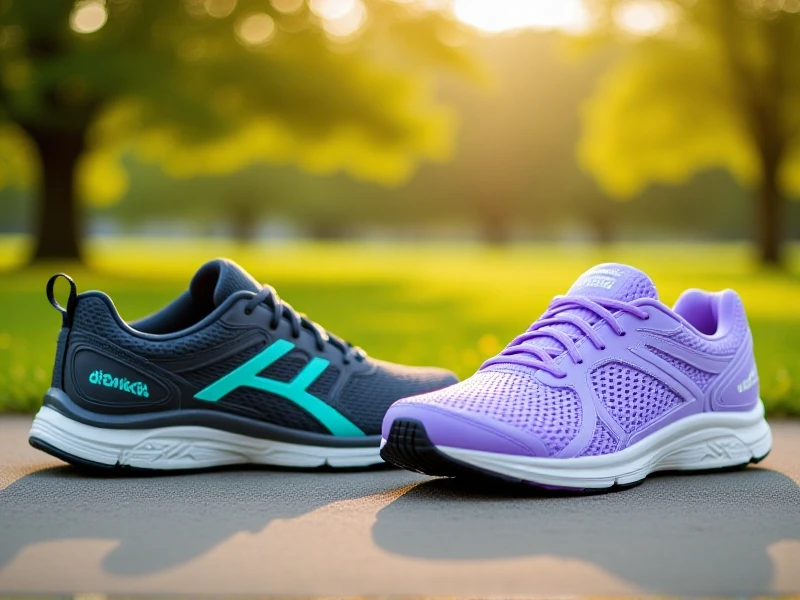
Lightweight Support: Choosing Women's Running Shoes for Different Tread Types
Finding the perfect pair of women's running shoes isn't just about style; it's the foundation of comfort, injury prevention, and peak performance for every run. With so many options available, understanding your specific needs is the first step toward unlocking your best miles.
The ideal running shoe addresses your unique biomechanics. Many brands now offer designs catering specifically to women's foot shapes—typically featuring a narrower heel relative to the forefoot and adapting to different arch heights. Key features include:
- Cushioning: Absorbs impact. Options range from maximal softness for long road miles to responsive, lightweight foams for speed.
- Support: Crucial for managing pronation (how the foot rolls inward). Stability shoes offer guidance for mild to moderate overpronation, while neutral shoes suit efficient runners or those who underpronate.
- Fit: A secure heel cup and enough room in the toe box (about a thumbnail's width) prevent blisters and black toenails. Materials like breathable mesh enhance comfort.
Matching your shoe to your primary running surface dramatically improves your experience:
- Road Runners: Prioritize plush cushioning and durable outsoles crafted specifically for pavement. Flexible designs promote a smooth stride. Look for reliable women's running shoes built for concrete's unforgiving surface.
- Trail Enthusiasts: Require robust women's running shoes featuring aggressive lugs for exceptional grip on mud, roots, and loose rocks. Added protection like a rock plate shields feet from trail debris, and stiffer, supportive builds enhance stability on uneven terrain. Enhanced durability tackles tougher conditions.
- Versatile Users: For those juggling gym sessions, classes, or light paths, versatile training shoes strike a balance. They offer stability for lateral movements, sufficient cushioning for shorter runs, and durable outsoles for indoor floors.
Crucial Considerations:
- Know Your Gait: Understanding your pronation pattern guides stability needs. Specialized running stores often provide gait analysis.
- Size Matters: Feet swell during runs. Always try shoes on later in the day, wearing your running socks. Ensure that vital thumbnail's width at the toes.
- Try Before You Fly: Don't just rely on looks. Walk, jog, and test them in-store if possible. Prioritize immediate comfort—avoid the "break them in" gamble.
Investing time in selecting your women's running shoes pays dividends in comfort, reduced injury risk, and overall running enjoyment. Whether conquering roads, exploring trails, or mixing up routines with cross-training, the right support underfoot empowers every stride. Hit the ground running with confidence by choosing the perfect pair designed for your feet and your runs. Major athletic brands continually innovate to meet the specific demands of female runners.