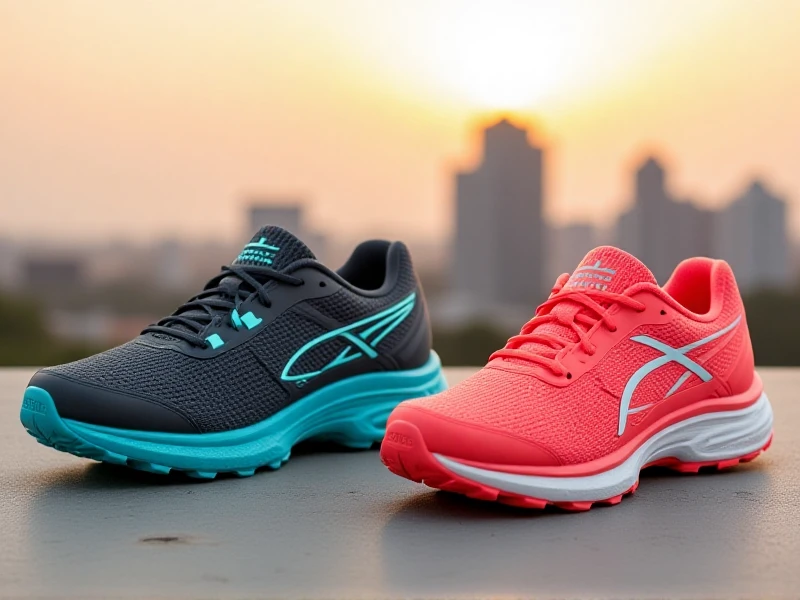
Men's Running Shoes: Choosing the Perfect Pair for Performance & Comfort
Finding the right men's running shoes is more than just picking a stylish pair; it's about unlocking your running potential and preventing injury. Whether you're a seasoned marathoner or just starting out with couch-to-5k, the correct footwear significantly impacts every stride. So, how do you find your perfect match?
The cornerstone of selection lies in understanding your foot type, gait, and running habits. Do you overpronate (foot rolls inward excessively), supinate (foot rolls outward), or have a neutral gait? Brands like Brooks, ASICS, Saucony, and New Balance offer specific models designed for each foot mechanic. Getting a gait analysis at a specialty running store can be invaluable for pinpointing your needs.
Cushioning is paramount for comfort and impact absorption, protecting joints during miles on pavement. Options range from maximal cushioning (plush and shock-absorbing) to minimalist (lightweight and closer to the ground). Medium cushioning strikes a balance popular for daily training runs. Consider your weight, the distances you cover, and personal preference. Leading technologies like Nike's React Foam, ASICS GEL, Adidas Boost, and Brooks DNA LOFT offer diverse energy return and comfort levels.
Terrain dictates sole design. Road running demands smooth, durable outsoles with reliable traction patterns on asphalt. Trail runners seeking adventure require aggressive lugs for superior grip, rock plates for underfoot protection, and a more durable, protective upper. Hybrid styles exist for mixed surfaces or light trails.
The midsole provides the crucial cushioning and structure. Modern foams aim to be lightweight yet resilient, offering responsive energy return, helping propel you forward efficiently. Pay attention to arch support, ensuring it matches your foot shape to prevent pain from overpronation or insufficient support.
A well-fitted upper, ideally using breathable, flexible mesh, wraps your foot securely without constriction. Heel counters should be stable for rearfoot control, preventing slippage or blisters. Always try shoes on with the socks you run in, ensuring a thumb's width space beyond your longest toe. Your feet swell during a run!
Your mileage also matters. High-mileage trainers prioritize durability and support for accumulating kilometres. Racing flats are significantly lighter for those chasing speed on race day but offer less cushioning and less durability. Consider your primary training purpose when choosing.
Ultimately, the best men's running shoes are the ones that feel comfortable immediately, fit your unique physiology, and suit your running goals. Listen to your feet, focus on the technical specs that matter for your run, and invest in proper support. Your joints and your personal bests will thank you for choosing wisely. Stop settling for discomfort – find the shoes engineered for your run!