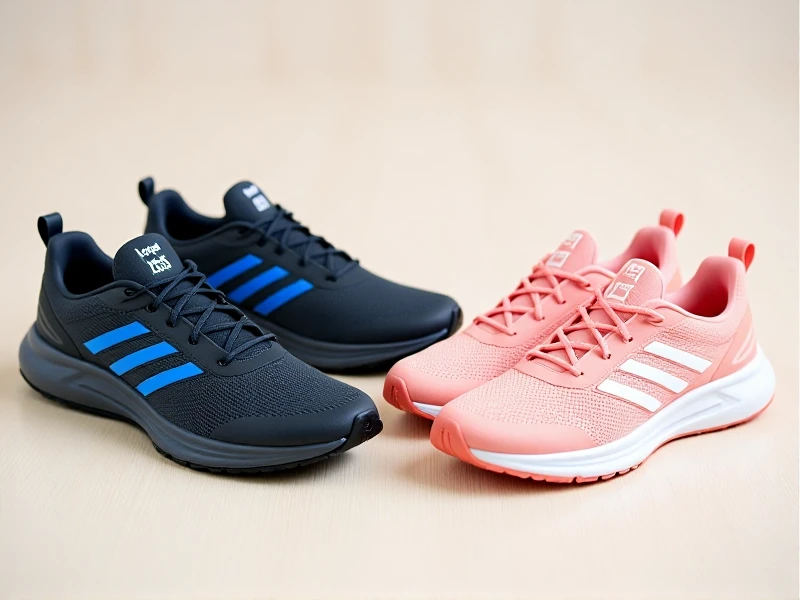
Why Men's Running Shoes? How to Find Your Perfect Fit
<Why Men's Running Shoes? How to Find Your Perfect Fit>
Finding the right Men's Running Shoes isn't just a purchase; it's an essential investment in your running journey, performance, and long-term joint health. The wrong pair can lead to discomfort, injuries, and a frustrating run, while the perfect fit feels like a natural extension of your foot, propelling you forward. But with countless options crowding the market, how do you choose? Here’s your essential guide.
The foundation of selecting Men's Running Shoes starts with understanding your foot type and running gait. Do you have high arches? Flat feet? Or are you neutral? Most specialty running stores offer gait analysis, observing how your feet strike the ground. This insight is crucial as it directly influences the support and cushioning you need.
- Neutral Runners: Often benefit from cushioned Men's Running Shoes that prioritize shock absorption without excessive support correction. Look for models designed for natural foot motion.
- Overpronators (Feet roll inward): Require stability Men's Running Shoes. These feature firmer medial (inner) posts or guides to help control the inward roll and stabilize the foot and ankle.
- Underpronators/Supinators (Feet roll outward): Need highly cushioned, flexible Men's Running Shoes that encourage natural motion and provide superior impact protection on the outer edges.
Next, consider your running terrain and goals.
- Road Running Shoes: Designed for pavement and smooth surfaces. These Men's Running Shoes prioritize lightweight construction, breathable uppers, and cushioning for consistent impact on hard surfaces.
- Trail Running Shoes: Engineered for dirt, gravel, and uneven trails. Look for aggressive tread patterns (lugs) for grip, protective toe caps and rock plates, and often more robust, water-resistant uppers. Durability is key.
- Racing Flats: Ultralight Men's Running Shoes for speedwork or race day. Offer minimal cushioning and maximal responsiveness but lack the support and durability for everyday training.
Fit is non-negotiable. Always try shoes on in the afternoon when your feet are slightly swollen, mimicking your run state. Ensure about a thumbnail's width of space between your longest toe and the shoe end. Your heel should be snug without slipping. Width is vital – your foot shouldn't bulge over the sole.
Don't ignore the weight and materials of Men's Running Shoes. Lighter shoes enhance speed, while heavier ones offer more cushioning and support. Modern midsoles using foams like EVA, TPU, or PEBA deliver exceptional bounce-back and energy return. Knit or engineered mesh uppers provide targeted support and breathability.
Remember to track your mileage and replace your Men's Running Shoes every 300-500 miles. Worn-out midsoles lose their ability to absorb shock, increasing injury risk.
Investing time in finding your ideal Men's Running Shoes pays dividends in comfort, performance, and injury prevention. Identify your gait, match the shoe to your surface, perfect the fit, and watch your runs transform. Your feet – and personal bests – will thank you. Ready to hit your stride? The perfect pair awaits.